In recent years, charcoal toothpaste has become a trendy product for people looking to whiten their teeth naturally. Promised as a “miracle” for removing stains and brightening smiles, it has gained massive popularity — from social media influencers to health-conscious shoppers. But what does science actually say about it? And is it really safe for your teeth?
In this guide, we’ll explore the truths about charcoal toothpaste, including how it works, its benefits, potential risks, and tips for safe use.
What Is Charcoal Toothpaste?
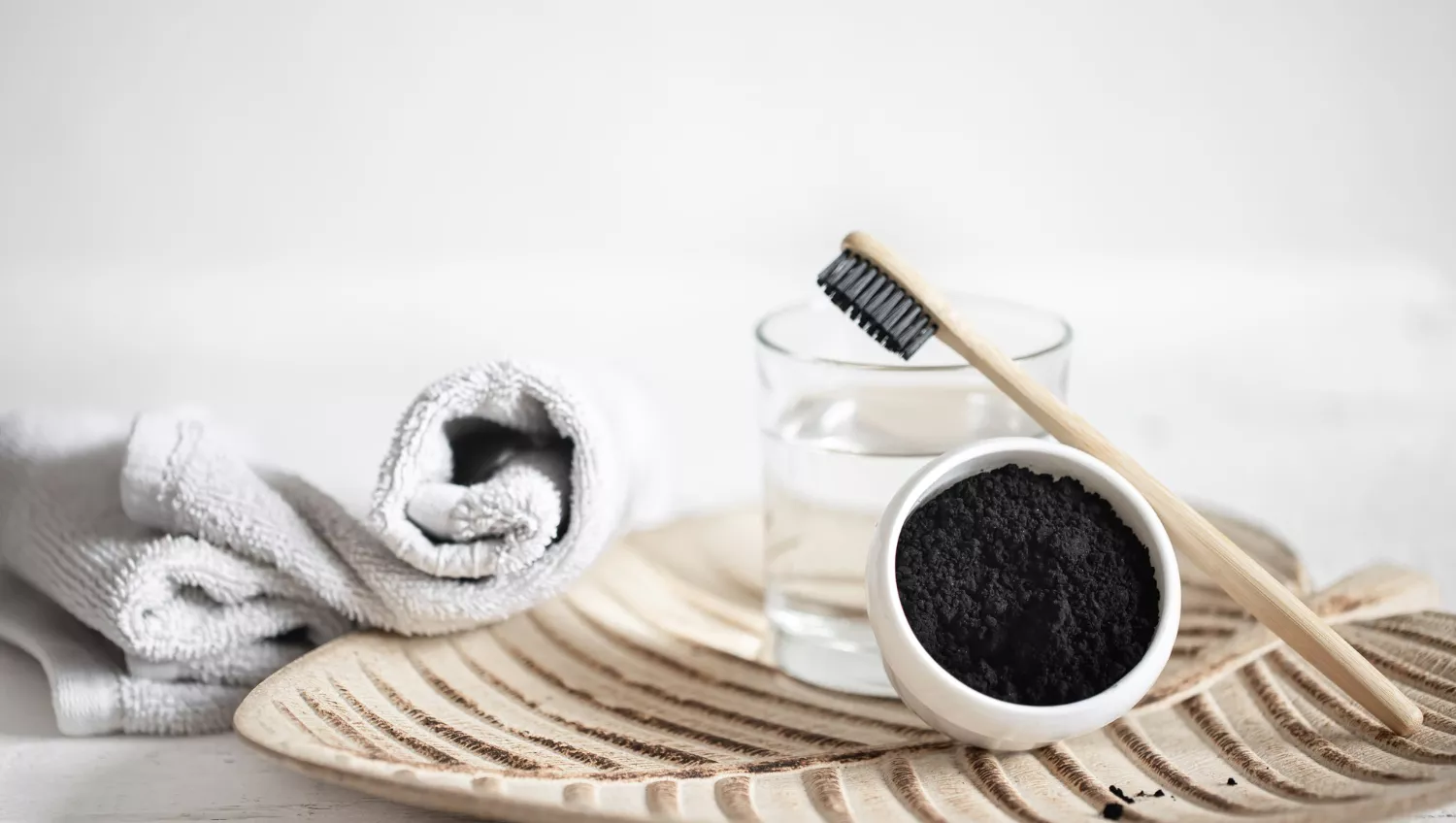
Charcoal toothpaste contains activated charcoal, a highly porous substance made from burning carbon-rich materials like coconut shells, wood, or bamboo.
- Its porous structure binds to stains and plaque on the teeth.
- It’s marketed as natural and chemical-free, appealing to those looking for organic oral-care alternatives.
- Available in powders, gels, and regular toothpaste formats.
While charcoal can absorb toxins and stains, it does not bleach teeth chemically like professional whitening products.
How Charcoal Toothpaste Claims to Whiten Teeth?
Charcoal toothpaste primarily works in two ways:
- Stain Absorption
- Activated charcoal has a porous texture that traps surface stains caused by coffee, tea, wine, or tobacco.
- Plaque Removal
- The slightly abrasive nature of charcoal toothpaste helps scrape off plaque, which can improve tooth brightness.
Important: Charcoal toothpaste works on surface stains only, not deep discoloration or enamel-yellowing caused by age, medications, or genetics.
✔ Benefits of Charcoal Toothpaste
1. Surface Stain Removal
If your teeth are stained by coffee, tea, or smoking, charcoal toothpaste can help improve appearance gradually.
2. Freshens Breath
Some users report that charcoal toothpaste reduces odors because it absorbs bacteria and impurities.
3. Natural Ingredients
Charcoal toothpaste is often free from harsh chemicals like peroxide or synthetic whitening agents.
4. Trendy and Easy to Use
Available widely in gels, powders, or standard toothpaste, it can fit easily into your daily brushing routine.
Potential Risks and Considerations
While charcoal toothpaste may seem harmless, it’s important to understand its limitations:
1. Abrasiveness Can Damage Enamel
- Activated charcoal is mildly abrasive.
- Frequent use can wear down enamel, increasing sensitivity and cavity risk.
2. No Effect on Deep Stains
- Charcoal toothpaste does not whiten teeth beneath the enamel.
- For intrinsic stains, professional whitening or dentist-recommended products are necessary.
3. Risk for Gum Irritation
- Some charcoal toothpastes are gritty and can irritate sensitive gums if used aggressively.
4. Can Interfere With Dental Work
- Charcoal may scratch or stain crowns, veneers, or fillings, making them look uneven.
How to Use Charcoal Toothpaste Safely
- Limit Use
- Use charcoal toothpaste 2–3 times a week, not daily.
- Soft-Bristled Brush Only
- A soft brush reduces enamel wear while still removing stains.
- Short Brushing Sessions
- Brush gently for 2 minutes — no aggressive scrubbing.
- Combine With Fluoride Toothpaste
- Activated charcoal does not contain fluoride, so alternate with regular fluoride toothpaste for cavity protection.
- Consult Your Dentist
- Especially important if you have sensitive teeth, dental restorations, or gum issues.
Scientific Evidence on Charcoal Toothpaste
- Current research suggests moderate effectiveness for surface stain removal.
- Long-term studies are limited, and concerns remain about enamel wear.
- The American Dental Association (ADA) has not officially endorsed charcoal toothpaste due to insufficient evidence on safety and effectiveness.
In short: it can help brighten your smile temporarily, but it is not a replacement for regular dental care or professional whitening.
Natural Alternatives to Charcoal Toothpaste
If you want safe, natural oral solutions that whiten teeth without risks:
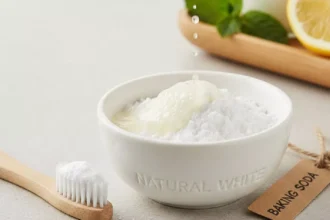
- Baking Soda Toothpaste: Mildly abrasive and effective for surface stains.
- Oil Pulling: Coconut oil can reduce plaque and freshen breath.
- Hydrogen Peroxide Rinses: Used in low concentrations for gentle whitening.
- Fruits Like Strawberries: Contain malic acid, which can slightly remove surface stains.
These alternatives are generally safer for daily use than charcoal toothpaste.
Charcoal Toothpaste for Children
- Charcoal toothpaste is not recommended for kids under 12.
- Children’s enamel is thinner and more susceptible to abrasion.
- Use fluoride toothpaste with a pea-sized amount for safe cavity prevention.
Seniors and Charcoal Toothpaste
- Seniors with thinner enamel or gum recession should avoid frequent use.
- Charcoal can accelerate enamel wear on exposed roots.
- Use alternative natural whitening methods for safer results.
FAQs About Charcoal Toothpaste
Can charcoal toothpaste whiten teeth instantly?
No — it works gradually and only on surface stains, not deep discoloration.
Is it safe for daily use?
No — overuse can erode enamel and irritate gums. Limit to 2–3 times per week.
Does charcoal toothpaste prevent cavities?
Not directly. It lacks fluoride, so combine with regular fluoride toothpaste.
Can it damage dental work?
Yes — it can scratch veneers, crowns, and fillings, making them appear uneven.
Final Thoughts: Charcoal Toothpaste Truths
Charcoal toothpaste can temporarily brighten your teeth and remove surface stains, offering a natural alternative for occasional whitening. However, it’s not a miracle solution. Overuse can harm enamel, irritate gums, and damage dental restorations.
For a healthy, bright smile:
- Use charcoal toothpaste sparingly
- Brush gently with a soft-bristled brush
- Combine with fluoride toothpaste
- Maintain regular dental checkups
By understanding the truths behind charcoal toothpaste, you can enjoy natural teeth whitening safely while protecting your long-term oral health.