

A bright, white smile is a confidence booster, and baking soda for teeth whitening has become a popular home remedy. Often touted as a natural, inexpensive solution, it’s widely used in DIY toothpaste recipes, tooth powders, and whitening pastes.
But is baking soda really safe for your teeth, or could it do more harm than good? In this article, we explore the science, benefits, potential risks, and safe ways to use baking soda for teeth whitening.
Featured Snippet
Is Baking Soda Good for Teeth Whitening?
Yes, baking soda can help whiten teeth naturally by removing surface stains caused by coffee, tea, smoking, and plaque buildup. It works as a mild abrasive and helps neutralize acids in the mouth. However, excessive use may wear down enamel and irritate gums, so dentists recommend using baking soda for teeth whitening only 2–3 times per week alongside fluoride toothpaste.
Safe Ways to Use Baking Soda for Teeth Whitening:
- Mix with fluoride toothpaste
- Use a soft-bristled toothbrush
- Brush gently for 2 minutes
- Limit use to 2–3 times weekly
- Rinse thoroughly afterward
What Is Baking Soda and How Does It Work?
Baking soda, also known as sodium bicarbonate, is a mild alkaline compound commonly used in cooking and cleaning.
For teeth whitening:
- Baking soda acts as a gentle abrasive to remove surface stains caused by coffee, tea, wine, or smoking.
- Its alkaline nature helps neutralize acids in the mouth, reducing enamel erosion and gum irritation.
- Baking soda does not bleach teeth — it only removes surface discoloration.
Benefits of Baking Soda for Teeth Whitening
1. Removes Surface Stains:
Baking soda is effective at scrubbing away plaque and surface stains without harsh chemicals.
2. Neutralizes Oral Acids
By balancing mouth pH, it helps protect enamel from acid erosion and reduces bad breath.
3. Affordable and Accessible
Baking soda is inexpensive and widely available, making it a popular DIY option for natural oral care.
4. Gentle Cleaning Alternative
Compared to some chemical whitening products, baking soda can be less harsh if used correctly.
Potential Risks of Baking Soda for Teeth
While baking soda has benefits, overuse or improper use can be harmful:
1. Abrasive Nature Can Damage Enamel
- Daily or aggressive brushing with baking soda can wear down enamel, increasing sensitivity and cavity risk.
2. Does Not Treat Deep Stains
- Baking soda only removes surface discoloration. Intrinsic stains caused by aging, medications, or fluorosis require professional treatment.
3. Gum Irritation
- Using pure baking soda excessively may irritate gums, causing redness or discomfort.
4. Not a Fluoride Source
- Baking soda doesn’t contain fluoride, so it cannot prevent cavities on its own.
How to Use Baking Soda for Teeth Safely
1. Limit Frequency
- Use 2–3 times per week rather than daily to minimize enamel wear.
2. Use a Soft-Bristled Toothbrush
- A soft brush reduces abrasion while still polishing surface stains.
3. Mix With Regular Toothpaste
- Combine baking soda with fluoride toothpaste for cavity protection and safer whitening.
4. Short Brushing Sessions
- Brush gently for 2 minutes — no heavy scrubbing.
5. Rinse Thoroughly
- Rinse with water afterward to remove residual baking soda and prevent mild irritation.
Baking Soda vs Other Natural Whitening Methods
| Whitening Method | Effectiveness | Safety | Notes |
| Baking Soda | Mild | Moderate | Good for surface stains, abrasive if overused |
| Charcoal Toothpaste | Mild | Low-Moderate | Abrasive, limited evidence, may scratch restorations |
| Hydrogen Peroxide Rinse | Moderate | Moderate | Can whiten deeper stains, must be diluted |
| Strawberries/Malic Acid | Mild | High | Gentle, works slowly, good for occasional use |
Key takeaway: Baking soda is effective for surface stains, but should be part of a balanced oral care routine including fluoride and regular dental checkups.
DIY Baking Soda Whitening Tips
- Baking Soda + Toothpaste
- Mix a small amount of baking soda with regular toothpaste for gentle whitening.
- Baking Soda + Coconut Oil
- Combine to make a natural paste that may help remove plaque and freshen breath.
- Baking Soda Rinse
- Dissolve a pinch of baking soda in water and rinse to neutralize acids in the mouth.
Important: Avoid using pure baking soda alone daily — moderation is key.
Baking Soda for Children
- Baking soda is not recommended for children under 6.
- Children’s enamel is thinner and more susceptible to abrasion.
- Use fluoride toothpaste and teach proper brushing techniques instead.
Seniors and Baking Soda
- Seniors with receding gums or thin enamel should use baking soda cautiously.
- Limit frequency and combine with fluoride toothpaste for protection.
Nature’s Smile For Maintaining Healthy Gums While Whitening Your Teeth Naturally
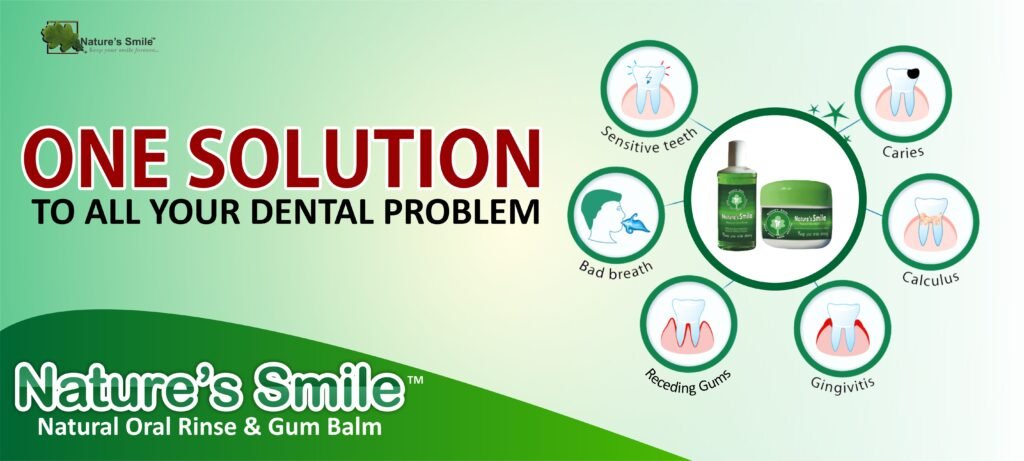
While baking soda for teeth whitening can help remove surface stains, maintaining healthy gums is equally important for achieving a brighter and healthier smile. Overusing abrasive whitening methods may irritate sensitive gums or expose tooth roots, especially in people with gum recession.
This is where Nature’s Smile Gum Balm can complement your natural oral care routine. Nature’s Smile contains herbal ingredients traditionally used to support gum health and reduce harmful oral bacteria, including:
- Oak Bark
- Chamomile
- Sage
- Peppermint Oil
- Calendula
- Bloodroot
- Yarrow
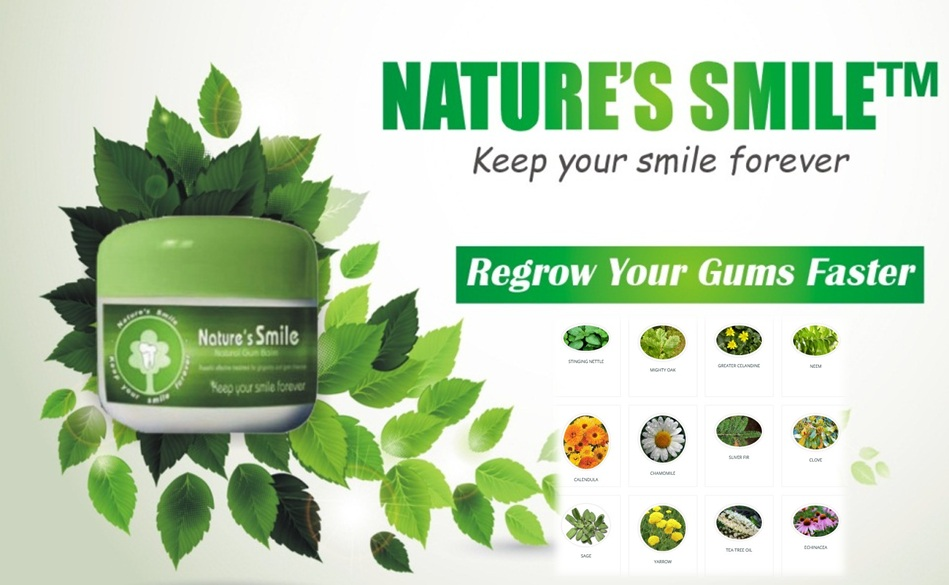
🌱 Healthier, Tighter Gums Are Just One Click Away—Get Nature’s Smile Now from the Official Website!
These natural ingredients help soothe irritated gums, support healthier gum tissue, and maintain a cleaner oral environment while you focus on whitening your teeth safely.
People who frequently use DIY whitening remedies like baking soda should pay close attention to gum health because aggressive brushing and abrasive substances may worsen gum sensitivity over time. Adding a natural antimicrobial gum care product may help support long-term oral comfort and healthier gums.
FAQs About Baking Soda for Teeth Whitening
Does baking soda whiten teeth instantly?
No — it removes surface stains gradually, not intrinsic discoloration.
Can I brush with baking soda every day?
No — daily use can erode enamel. Limit to 2–3 times per week.
Is baking soda safe for sensitive teeth?
Use with caution; soft-bristled brushes and mixing with toothpaste can reduce irritation.
Can baking soda replace professional whitening?
No — professional treatments are required for deep or stubborn stains.
Can baking soda damage tooth enamel over time?
Yes, excessive or aggressive use of baking soda may wear down enamel because it is mildly abrasive. Dentists recommend limiting use to 2–3 times weekly.
How long does baking soda take to whiten teeth naturally?
Baking soda may begin reducing surface stains within a few weeks, but results vary depending on diet, smoking habits, and oral hygiene.
Is baking soda safe for sensitive teeth and gums?
People with sensitive teeth or gum recession should use baking soda cautiously because overuse can increase irritation and enamel wear.
What is the safest way to use baking soda for teeth whitening?
The safest method is mixing a small amount with fluoride toothpaste and brushing gently using a soft-bristled toothbrush.
Can baking soda remove yellow stains from teeth?
Baking soda can help remove mild surface yellow stains caused by food, drinks, and smoking, but it does not bleach deep intrinsic stains.
Is baking soda better than charcoal toothpaste for whitening?
Baking soda is generally considered safer than charcoal toothpaste because charcoal can be more abrasive and may scratch enamel or dental restorations.
Can baking soda help with bad breath?
Yes, baking soda helps neutralize acids and reduce odor-causing bacteria, which may temporarily improve bad breath.
Does baking soda whiten crowns or veneers?
No, baking soda only removes surface stains and will not whiten dental crowns, veneers, or fillings.
Final Thoughts: Baking Soda for Teeth Whitening
Baking soda can be a safe, natural, and affordable way to brighten your smile when used correctly. It effectively removes surface stains and neutralizes oral acids, but overuse can damage enamel and irritate gums.
For a healthy whitening routine:
- Use baking soda 2–3 times per week
- Brush gently with a soft-bristled toothbrush
- Combine with fluoride toothpaste
- Maintain regular dental checkups
By understanding the benefits and risks, you can enjoy the natural teeth whitening properties of baking soda safely, while protecting your long-term oral health.


