Enamel, the outermost layer of your teeth, is the hardest substance in the human body. Its primary component is a crystalline structure called hydroxyapatite. Despite its strength, enamel is constantly under attack from acids produced by bacteria and consumed in our diet. This leads to demineralization, the process where minerals are stripped away, ultimately causing dental caries (decay) and acid erosion.
The good news is that your body has a natural defense mechanism: remineralization. This is the process by which lost minerals are restored to the enamel structure. Strengthening enamel naturally is about tipping the balance in favor of remineralization through strategic diet, meticulous hygiene, and the support of your body’s natural processes.
For those with gum recession, protecting the remaining enamel is crucial, as exposed dentin and cementum are even softer and more susceptible to decay and wear. This guide provides a semantically rich, comprehensive strategy for natural enamel protection.
Featured Snippet: Can You Strengthen Enamel Naturally?
Yes — while enamel cannot “grow back,” early enamel damage can often be repaired through remineralization. A diet rich in calcium, phosphate, vitamin D, and saliva-supporting habits can help strengthen enamel naturally. Using fluoride or nano-hydroxyapatite toothpaste, reducing acid exposure, and controlling harmful oral bacteria are key strategies for protecting teeth from erosion and decay.
Understanding Enamel Dynamics: The pH Battle
Enamel is not a static shield; it is constantly dissolving and reforming. This dynamic process is governed by the oral pH.
- Demineralization: Occurs when the oral pH drops below 5.5 (the critical pH). Acids dissolve the hydroxyapatite crystals, releasing Calcium and Phosphate ions.
- Remineralization: Occurs when the oral pH is neutral (above 5.5). Saliva delivers Calcium and Phosphate ions back to the tooth surface, where they are incorporated into the enamel structure.
Strengthening enamel naturally means minimizing the time your mouth spends in the demineralization zone.
Layer 1: Diet and pH Management (The Internal Defense)
Diet is the single biggest factor influencing the oral pH and the availability of minerals for remineralization.
1. The Role of Saliva: The Ultimate Buffer
Saliva is the primary agent of natural enamel strengthening. It contains bicarbonate buffers to neutralize acid and is saturated with Calcium and Phosphate ions.
- Stimulation: Chew sugar-free gum containing Xylitol after meals to stimulate saliva flow. Xylitol also inhibits the growth of cariogenic bacteria.
- Hydration: Maintain excellent hydration to ensure a high volume of mineral-rich saliva.
2. Essential Minerals and Vitamins
A diet rich in these nutrients provides the raw materials for strong enamel:
| Nutrient | Mechanism of Action | Semantic Benefit |
| Calcium & Phosphate | The building blocks of hydroxyapatite. Delivered by saliva for remineralization. | Structural integrity of enamel and dentin. |
| Vitamin D | Regulates the absorption and utilization of Calcium and Phosphate. | Essential for mineral delivery and alveolar bone health. |
| Vitamin K2 | Directs Calcium to the teeth and bones, preventing its deposition in soft tissues. | Supports proper remineralization and bone density. |
Sources: Dairy products, leafy greens, fatty fish, and sun exposure (for Vitamin D).
3. Preventing Acid Erosion
Acid erosion is the direct dissolution of enamel by acid, independent of bacteria.
- Avoid Sipping: Do not sip acidic drinks (soda, fruit juice, sports drinks) over long periods, as this prolongs the acid attack.
- Rinse: Rinse with water immediately after consuming acidic foods. Wait 30 minutes before brushing to prevent abrasive wear on softened enamel.
Layer 2: Hygiene and Topical Support (The External Defense)
While diet provides the minerals, hygiene ensures the minerals can reach the tooth surface.
1. Non-Abrasive Cleaning
- Soft Brushing: Use a soft-bristled toothbrush and the Modified Bass Technique to prevent gingival abrasion and the physical wear of enamel and exposed cementum.
- Low-Abrasive Toothpaste: Avoid highly abrasive whitening toothpastes, which can accelerate the wear of already weakened enamel.
2. The Role of Fluoride and Hydroxyapatite
While the goal is natural strengthening, the use of topical agents can significantly enhance the remineralization process.
- Fluoride: When incorporated into the enamel structure, fluoride forms fluorapatite, which is much more resistant to acid dissolution than natural hydroxyapatite. This is the gold standard for strengthening enamel against decay.
- Nano-Hydroxyapatite (nHA): A synthetic form of the natural enamel crystal. Toothpastes containing nHA can physically fill microscopic defects in the enamel, aiding in remineralization and reducing dentin hypersensitivity.
3. Targeted Antimicrobial Care
Cariogenic bacteria are the source of the acid that dissolves enamel. Controlling the pathogenic bacterial load is a key preventative step.
- Solution: Use a targeted antimicrobial agent to suppress the bacteria. This is particularly important near the gingival margin, where plaque biofilm is thickest.
Layer 3: The Gum-Enamel Connection
For those with gum recession, the focus shifts to protecting the softer root surface.
- Exposed Cementum: When the gums recede, the cementum covering the root is exposed. Cementum is much softer than enamel and demineralizes at a higher pH (around 6.7), making it highly vulnerable to decay and wear.
- Solution: By controlling the periodontal disease that causes recession, you prevent the exposure of the vulnerable root surface.
Nature’s Smile Gum Balm, while primarily focused on gum health, plays a crucial role in enamel protection by controlling the pathogenic bacterial load. By suppressing the bacteria that cause gingivitis and periodontitis, you reduce the inflammation that leads to recession, thereby protecting the softer cementum and dentin from exposure and subsequent decay. This creates a stable, low-acid environment that supports the natural remineralization of the remaining enamel.
Summary of Natural Enamel Strengthening Strategies
| Strategy | Action Item | Semantic Benefit |
| Dietary | Limit sugar/acid frequency; increase Calcium, Phosphate, and Vitamin D/K2 intake. | Provides raw materials for hydroxyapatite and controls oral pH. |
| Salivary | Chew Xylitol gum; stay hydrated. | Stimulates saliva flow, the body’s natural buffer and remineralization agent. |
| Hygiene | Use soft brush, low-abrasive paste, and the Modified Bass Technique. | Prevents gingival abrasion and mechanical wear of enamel and cementum. |
| Topical | Use fluoride or nano-hydroxyapatite toothpaste. | Forms fluorapatite or physically fills defects to enhance acid resistance. |
| Antimicrobial | Apply targeted natural antimicrobials (e.g., Nature’s Smile) to the gum line. | Suppresses cariogenic bacteria and prevents gum recession that exposes vulnerable root surfaces. |
By adopting this comprehensive, multi-layered approach, you can significantly enhance your body’s ability to strengthen and protect your enamel naturally, ensuring a healthier, more resilient smile.
External Links
- American Dental Association: Enamel Erosion
- National Institute of Dental and Craniofacial Research: Remineralization
- Journal of Dentistry: Nano-Hydroxyapatite in Remineralization
- Mayo Clinic: Fluoride and Tooth Decay
The Overlooked Link Between Gum Health and Enamel Damage
Enamel protection doesn’t stop at the tooth surface.
When gums recede, they expose cementum and dentin — softer root materials that decay much faster than enamel.
That’s why bacterial control along the gumline matters so much.
Supporting Gum and Enamel Health Together
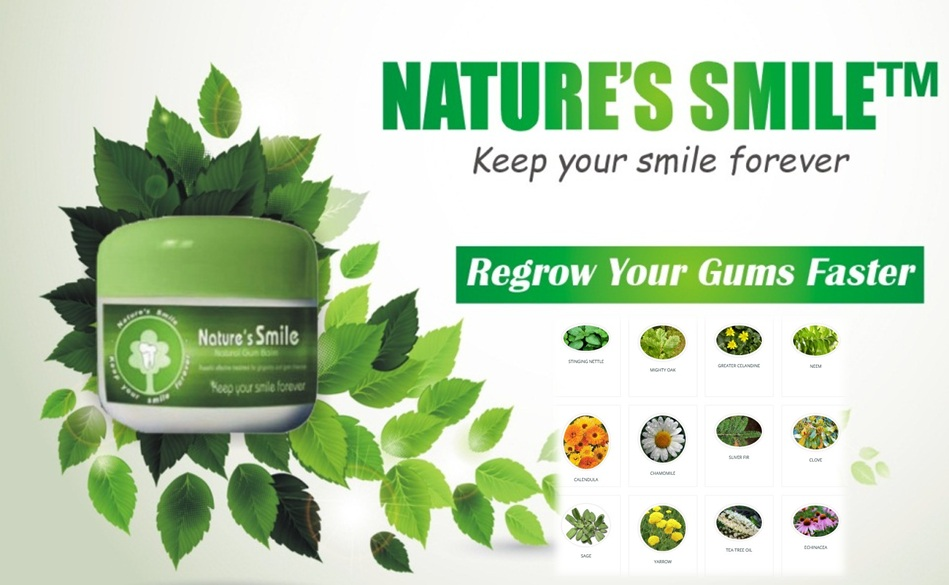
One approach some people incorporate into their oral care routine is Nature’s Smile, a botanical gum balm designed to support healthier gums and reduce harmful bacterial buildup near the gumline.
Unlike harsh antiseptic rinses that may disrupt the oral microbiome, Nature’s Smile uses plant-based ingredients traditionally associated with antimicrobial and soothing properties, including:
- Oak bark extract
- Sage
- Chamomile
- Peppermint oil
- Yarrow
- Silver fir
The goal is not to “regrow enamel” or make unrealistic promises. Instead, maintaining a cleaner, lower-inflammation gum environment may help reduce the progression of gum recession that exposes vulnerable root surfaces.
💫 Your Healthier Smile Is Waiting—Click Here to Get Nature’s Smile at a Special Discount!
Potential Benefits of Nature’s Smile
- Helps reduce plaque accumulation near the gums
- Supports healthier gum tissue
- May help freshen breath naturally
- Helps create a lower-acid oral environment
- Supports protection of exposed root surfaces
How to Use It
The balm is typically applied directly along the gumline after brushing using a clean finger or cotton swab. Consistent daily use is recommended as part of a complete oral hygiene routine.
Money-Back Guarantee and Where to Buy
Nature’s Smile is sold through the official website and includes a manufacturer-backed money-back guarantee for eligible orders. For authenticity and ingredient transparency, it’s best purchased directly from the official source
🚀 Stop Gum Issues in Their Tracks—Visit the Official Nature’s Smile Page and Claim Your Savings Now!
FAQs About Strengthening Enamel Naturally
How can I strengthen enamel naturally without going to the dentist?
You can support natural enamel remineralization by improving your diet, reducing acidic foods and drinks, using fluoride or nano-hydroxyapatite toothpaste, staying hydrated, and maintaining consistent oral hygiene. Early enamel weakening can often be managed naturally before serious decay develops.
What foods help strengthen tooth enamel naturally?
Foods rich in calcium, phosphate, vitamin D, and vitamin K2 are best for enamel health. Examples include cheese, yogurt, leafy greens, salmon, sardines, almonds, and eggs. These nutrients help support the remineralization process that repairs early enamel damage.
Can weakened enamel grow back naturally over time?
Enamel cannot fully regrow once it is permanently lost. However, early-stage enamel damage can often be repaired through remineralization, where minerals are redeposited into weakened enamel areas to strengthen and harden the tooth surface again.
What is the fastest way to remineralize tooth enamel naturally?
The fastest natural approach combines:
- Reducing sugar and acid exposure
- Using fluoride or nano-hydroxyapatite toothpaste
- Increasing saliva flow
- Improving mineral intake
- Avoiding aggressive brushing
Consistency matters more than quick fixes when rebuilding enamel strength.
Does saliva help repair tooth enamel naturally?
Yes. Saliva is one of the body’s most important natural defenses against enamel erosion. It helps neutralize acids and delivers calcium and phosphate back to the enamel surface during remineralization.
Can gum recession make enamel damage worse?
Yes. Gum recession exposes softer root surfaces like cementum and dentin, which are much more vulnerable to decay and erosion than enamel. That’s why protecting gum health is essential for long-term enamel preservation.
Is nano-hydroxyapatite better than fluoride for enamel repair?
Both can help strengthen enamel, but they work differently. Fluoride increases acid resistance by forming fluorapatite, while nano-hydroxyapatite may help fill microscopic enamel defects and reduce sensitivity. Some people prefer nano-hydroxyapatite for sensitive teeth or fluoride-free routines.
What drinks weaken tooth enamel the most?
Frequent consumption of:
- Soda
- Energy drinks
- Sports drinks
- Citrus juices
- Vinegar-based drinks
- Sweetened coffee beverages
can accelerate enamel erosion because of their high acidity and sugar content.
Can you rebuild enamel naturally after acid erosion?
You may be able to strengthen and remineralize mildly weakened enamel if the damage is caught early. However, severe erosion that physically removes enamel cannot be completely reversed naturally and may require dental treatment.
Does Nature’s Smile help protect enamel and gums?
Nature’s Smile is primarily designed to support gum health and bacterial control near the gumline. By helping reduce plaque buildup and gum inflammation, it may indirectly help protect exposed root surfaces that are vulnerable to decay when gum recession occurs.
How do I stop enamel erosion from getting worse naturally?
To slow enamel erosion naturally:
- Reduce acidic foods and drinks
- Avoid brushing immediately after acids
- Use a soft toothbrush
- Stay hydrated
- Support saliva flow
- Use remineralizing toothpaste
- Control plaque and gum inflammation consistently
Can brushing too hard damage enamel and gums?
Yes. Aggressive brushing with medium or hard bristles can wear down enamel and contribute to gum recession over time. Dentists generally recommend using a soft-bristled toothbrush with gentle circular motions instead.
Final Thoughts on Strengthening Enamel Naturally
Strengthening enamel naturally is less about chasing trends and more about controlling the daily conditions that either damage or protect your teeth.
Your enamel is constantly responding to:
- pH balance
- bacterial activity
- saliva quality
- nutrition
- oral hygiene habits
And while lost enamel cannot fully regenerate, early damage can often be slowed, stabilized, and partially repaired through consistent remineralization strategies.
For people dealing with gum recession or bacterial buildup near the gumline, adding a targeted botanical product – Nature’s Smile alongside proper brushing, nutrition, and professional dental care may help support a healthier oral environment and better long-term enamel protection.