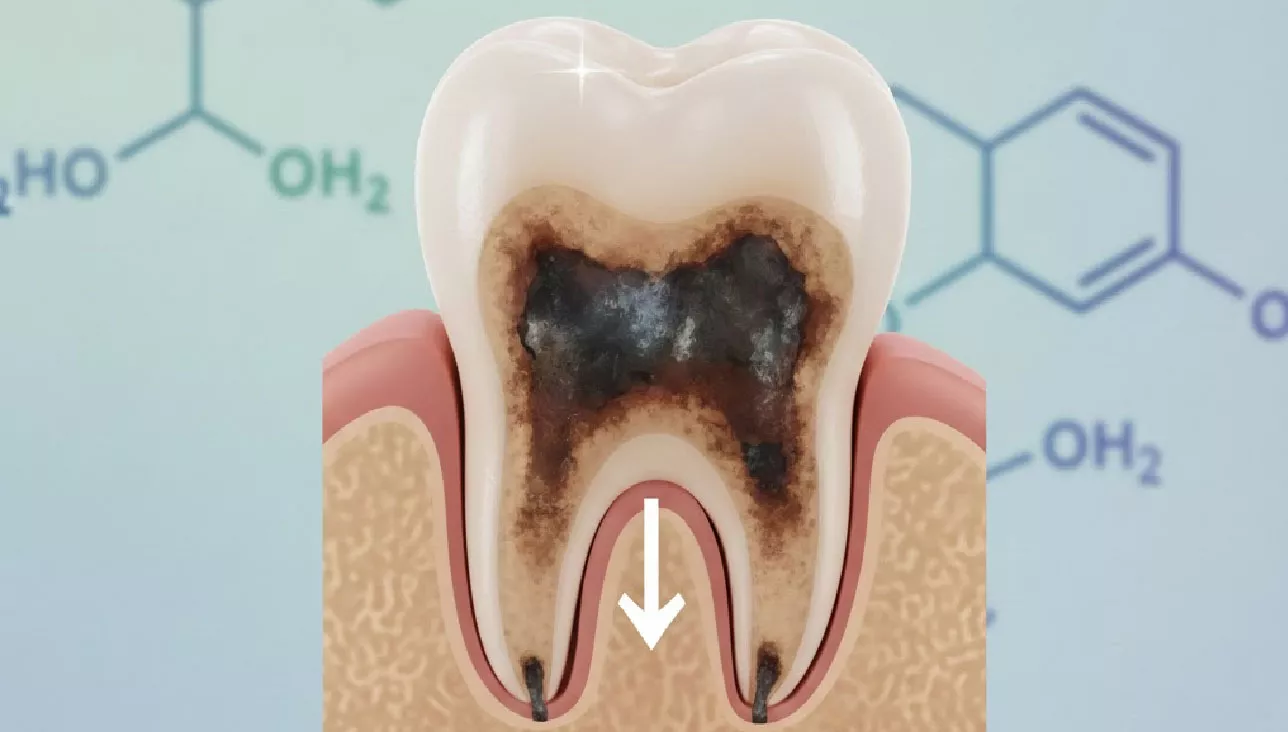
Sweet treats are a part of life, but sugar is a leading cause of tooth decay. That’s why many people turn to sugar alcohols as a “healthier” alternative. But how do sugar alcohols really affect your teeth? Are they safe for your smile, or just another sweetener myth?
This guide explains everything you need to know about sugar alcohols and tooth decay, including benefits, potential risks, and expert tips to maintain healthy teeth.
What Are Sugar Alcohols and Tooth Decay?
Sugar alcohols are carbohydrate-based sweeteners that look and taste like sugar but have fewer calories and don’t spike blood sugar as much.
Common sugar alcohols include:
- Xylitol
- Erythritol
- Sorbitol
- Maltitol
- Mannitol
They’re often found in:
- Sugar-free gum and candy
- Mints
- Toothpaste and mouthwash
- Low-calorie baked goods
Despite the name, sugar alcohols are not alcoholic and do not cause intoxication.
How Sugar Alcohols Affect Tooth Decay?
Traditional sugar feeds bacteria in your mouth, producing acid that erodes enamel, causing cavities. Sugar alcohols, on the other hand, are not fully metabolized by these bacteria, which means:
- Less acid production
- Lower risk of enamel erosion
- Reduced cavity formation
Among sugar alcohols, xylitol is the most studied. Research shows xylitol can actively reduce harmful bacteria, especially Streptococcus mutans — the main culprit in cavities.
Benefits of Sugar Alcohols for Your Teeth
1. Reduce Cavity Risk
Xylitol and erythritol can limit bacterial growth, lowering plaque buildup and decay risk.
2. Stimulate Saliva Production
Sugar-free gum with xylitol or sorbitol encourages saliva flow, which naturally neutralizes acids and helps repair enamel.
3. Lower Acid Levels in the Mouth
Unlike regular sugar, sugar alcohols don’t feed cavity-causing bacteria, keeping your oral pH more neutral.
4. Safe for People With Diabetes
Since sugar alcohols have a low glycemic index, they are less likely to spike blood sugar — which is beneficial for oral health in people with diabetes.
Potential Downsides of Sugar Alcohols
While sugar alcohols are generally safe, there are a few things to watch for:
- Digestive Issues: Overconsumption may cause bloating, gas, or diarrhea.
- Not Calorie-Free: They still contain some calories, though less than sugar.
- Individual Sensitivity: Some people may react differently to certain types, like sorbitol.
Tip: For oral health benefits, even small amounts of xylitol (e.g., 5–10 grams daily from gum or mints) are effective. You don’t need to overconsume.
Xylitol vs Other Sugar Alcohols
| Sugar Alcohol | Cavity-Fighting Ability | Digestive Tolerance | Best Use |
| Xylitol | High | Moderate | Chewing gum, mints |
| Erythritol | Moderate-High | High | Sugar-free candy, drinks |
| Sorbitol | Moderate | Low | Toothpaste, sugar-free sweets |
| Maltitol | Low-Moderate | Moderate | Baked goods |
| Mannitol | Low | High | Chewing gum, candy |
Key takeaway: Xylitol is the most effective for preventing tooth decay, while erythritol is gentle on the stomach and also beneficial.
How to Use Sugar Alcohols for Oral Health?
- Chew Sugar-Free Gum After Meals
- Helps clean teeth and stimulate saliva.
- Xylitol gum is ideal.
- Choose Sugar-Free Mints and Candies
- Check labels for xylitol or erythritol content.
- Incorporate Into Toothpaste or Mouthwash
- Some oral-care products include xylitol to reduce bacteria.
- Avoid Excessive Intake
- Stick to recommended amounts to avoid digestive issues.
Other Tips to Prevent Tooth Decay
While sugar alcohols help, they’re not a replacement for good oral hygiene.
Daily Oral Care Tips
- Brush twice daily with fluoride toothpaste
- Floss daily to remove plaque between teeth
- Visit the dentist regularly for checkups
- Rinse with water after sugary or acidic meals
- Limit sticky or processed foods
Diet Tips for Strong Teeth
- Eat calcium-rich foods (milk, cheese, yogurt)
- Include vitamins A, C, and D for gum and enamel health
- Drink plenty of water
- Avoid frequent snacking on high-sugar foods
Sugar Alcohols for Kids
Sugar alcohols can be a smarter alternative for children to prevent cavities.
- Xylitol gum or mints can reduce bacterial growth.
- Limit intake to small amounts per day to avoid digestive upset.
- Always maintain regular brushing and flossing.
Sugar Alcohols for Seniors
Older adults may benefit from sugar alcohols, especially if they experience dry mouth:
- Stimulate saliva flow
- Reduce cavity risk on exposed root surfaces
- Support oral hygiene when chewing or brushing is difficult
Common Myths About Sugar Alcohols and Tooth Decay
Sugar-Free Means Cavity-Free
Not all sugar-free products contain xylitol or erythritol. Check the label.
All Sugar Alcohols Prevent Cavities Equally
Xylitol is superior; others like maltitol are less effective.
You Can Eat Unlimited Sugar Alcohols
Too much can cause digestive discomfort. Moderation is key.
Final Thoughts: Sugar Alcohols and Your Smile
Sugar alcohols — especially xylitol and erythritol — can be a valuable tool in preventing tooth decay. They reduce bacteria, increase saliva flow, and are safer for blood sugar than regular sugar.
But remember: they are not a substitute for brushing, flossing, and regular dental visits.When used wisely, sugar alcohols can protect your enamel, support gum health, and help you enjoy sweet treats without the cavity risk.