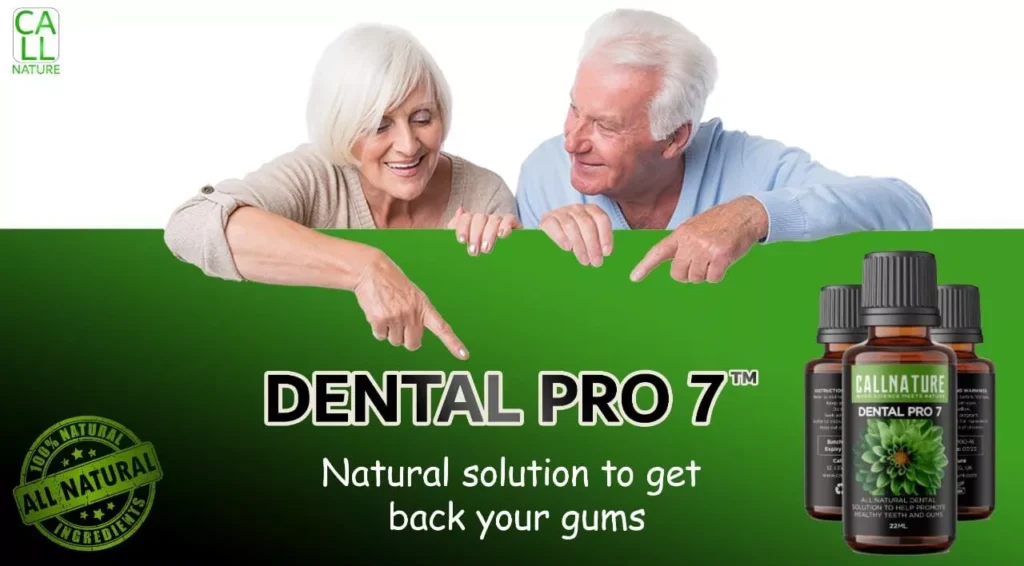
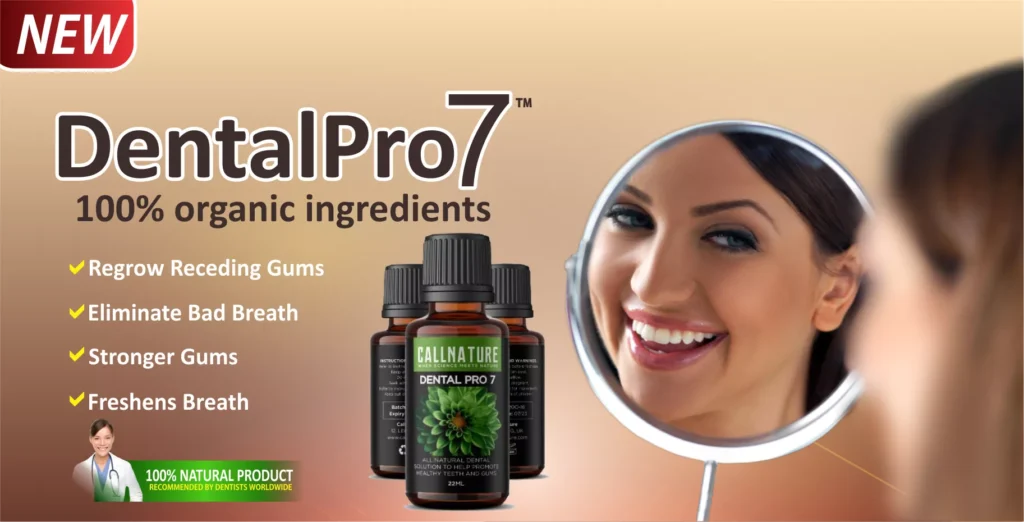
If you are reading a Dental Pro 7 review, you probably want one thing: a clear answer on whether this liquid, oil-based dental product is worth trying for gum recession, bleeding, and bad breath. Dental Pro 7 is marketed as a clinical-grade botanical oil concentrate that stays on the gum line longer than toothpaste. That sounds appealing. It also raises questions.
This review separates product claims from what oral health science can actually support.
Table of Contents
Featured Snippet Summary
Dental Pro 7 is a concentrated botanical oil oral product marketed for gum health and breath. It may help as an add-on to brushing and flossing, but it cannot replace professional periodontal care. Expect gradual changes over weeks, not instant gum regrowth.
What Dental Pro 7 Review Is?
Dental Pro 7 is a botanical blend of plant-based essential oils and fat-soluble components. It is commonly described as a “liquid dental solution” rather than a toothpaste or mouthwash. The formula is designed to cling to teeth and gum tissue, which the marketing describes as an “invisible shield” with long lasting protection.
Important distinction: “oil-based” does not automatically mean “clinically proven.” It just describes how the product is delivered.

Who It Is For?
Likely fit
Dental Pro 7 is typically purchased by people who notice:
- Dental bleeding while brushing or flossing
- Bad Breath (Halitosis), especially morning breath
- Early Gingivitis signs like redness and tenderness
- Worry about gum deterioration or mild gum recession
These symptoms often match early gum disease signs described by mainstream health sources. Mayo Clinic+1
Not a fit
Dental Pro 7 is not a substitute for treatment if you have:
- Deep gum pockets
- Loose teeth
- Severe Periodontitis
- Suspected abscess or gum infections with swelling and pain
Severe periodontal disease can involve tissue and bone support loss and needs professional care.
How It Claims to Work?
The core mechanism: contact time
The product is positioned as “clinical-grade botanical oils” that stay around the gum line longer than water-based products. The claim is that longer contact may support plaque control and reduce inflammation.
What it targets: oral bacteria and inflammation
Marketing commonly points to microbiology concepts and periodontal bacteria. Two organisms often mentioned in periodontics literature are:
These bacteria are associated with periodontal disease, but killing bacteria “on contact” is a marketing phrase, not a clinical endpoint. Periodontal disease is not just bacteria. It is also host response, plaque retention, and risk factors like smoking and diabetes.
Ingredients and What They Do?
Dental Pro 7 ingredient lists vary by seller page, but the recurring entities and claims include:
Helichrysum
Often referenced as Helichrysum (sometimes tied to “gum-restoring benefits”). It is mainly known in topical botanical use. Evidence in oral use is less standardized than classic antiseptic rinses.

Myrrh
Myrrh has a long history in oral antiseptics. In practical terms, it is used for its astringent and antimicrobial profile in traditional oral care.

Myrrh has a long history in oral antiseptics. In practical terms, it is used for its astringent and antimicrobial profile in traditional oral care.
Clove bud and Clove Bud Oil
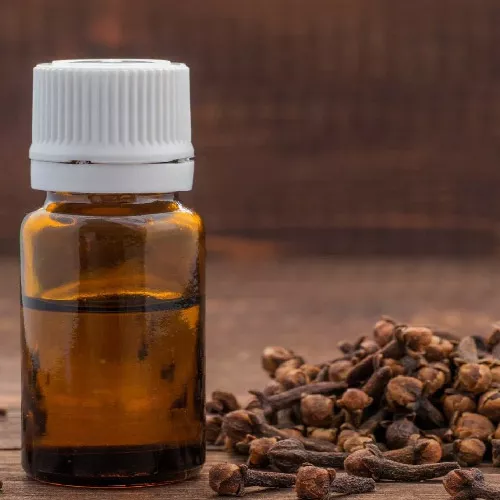
Clove bud oil contains eugenol and has documented antimicrobial activity in lab settings. Lab evidence does not equal proven periodontal reversal in humans, but it supports plausibility for antibacterial properties. PMC
Manuka (New Zealand)
Manuka is strongly associated with New Zealand and is studied for antibacterial effects. Some research suggests a potential role in plaque and gingivitis control in specific forms, but results depend on preparation and usage. PubMed

Peppermint, Spearmint, Thyme, Cornmint
These are common essential oils used for breath and flavor. Some essential-oil mouthrinses show plaque and gingivitis reduction when used as an adjunct to brushing. PubMed+1

Vitamin E (Natural Tocopherol)
Vitamin E (Natural Tocopherol) is a fat-soluble antioxidant. Reviews of evidence suggest it may support periodontal status as an adjunct in some contexts, not as a standalone cure. PubMed+1

Evidence Check: What We Know from Research
This section matters because many Dental Pro 7 sales pages imply “backed by science.” That phrase needs context.
1) Gingivitis is responsive to plaque control
Gingivitis is commonly driven by plaque and improves with consistent plaque removal. Mayo Clinic+1
2) Essential oils can help as an adjunct
Systematic reviews and long-term studies suggest essential-oil mouthrinses can provide additional plaque and gingivitis reduction compared to control when added to mechanical cleaning. PubMed+1
Key limitation: those studies evaluate specific mouthrinse formulations and protocols. They do not automatically validate every essential-oil blend.
3) Periodontitis needs professional intervention
Once disease progresses to periodontitis with attachment loss and pocketing, professional therapy such as scaling and root planing is standard. Public health sources consistently emphasize professional care for periodontal disease risk and management. CDC+1
How to Use It (Directions)?
Most Dental Pro 7 directions across listings follow the same idea: small dose, direct contact, and no immediate rinse.
Typical application
- Brush your teeth as normal.
- Apply a few drops of Dental Pro 7 to a clean toothbrush or cotton swab.
- Brush gently along teeth and the gum line.
- Spit excess. Avoid rinsing right away.
- Wait at least 30 to 60 seconds before water.

Frequency
- Once daily if you are maintaining gum health
- Twice daily if you are actively dealing with bleeding gums or inflammation
If your gums bleed heavily or swelling persists, book a dentist appointment rather than increasing product use. Mayo Clinic+1
Results Timeline and Expectations
What users often report
In customer marketing and testimonials, you will see claims like:
- “Repairs and Strengthens”
- “gum tissue regeneration”
- “Most Potent Gum-Healing”
- “Reduces Tooth Sensitivity”
Treat these as marketing claims unless supported by controlled clinical trials.
A realistic timeline
- Days 1 to 7: breath freshness changes, taste differences, possible mild tingling
- Weeks 2 to 4: less bleeding for some users if plaque control improves
- Weeks 4 to 8: gum inflammation may look reduced, especially if flossing improves
- 90 days: enough time to judge whether it helps your routine, but still not proof of gum regrowth
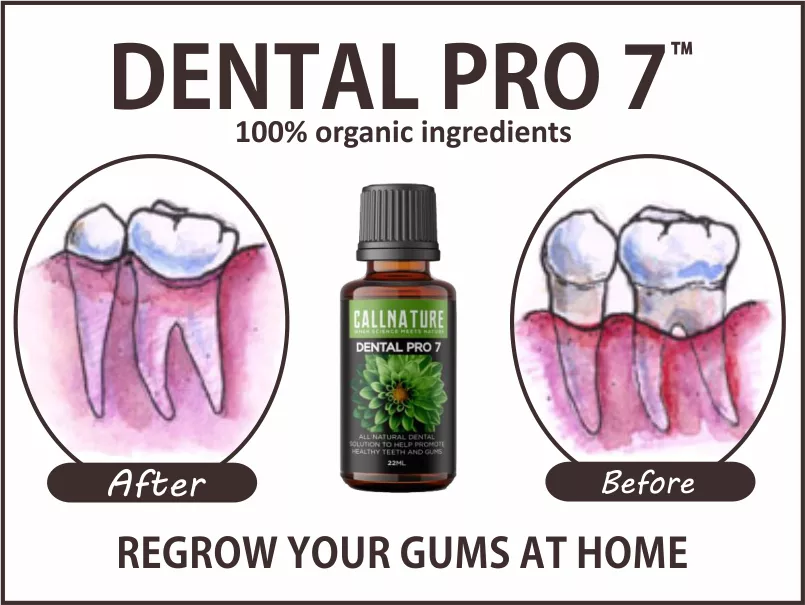
Gum recession is often structural. It can be managed, stabilized, or improved in appearance, but true reversal usually requires professional assessment and sometimes procedures like gum graft surgery. World Health Organization+1
Side Effects and Safety Notes
Dental Pro 7 is essential-oil heavy. That brings common sense cautions.
Possible side effects
- Temporary burning or tingling
- Irritation if you use too much
- Worsening sensitivity if your gum tissue is already inflamed
Who should be cautious?
- People with known essential-oil allergies
- Anyone post-surgical (implants, grafts) unless cleared by a dentist
- People with severe gingival swelling, pus, or fever
If symptoms suggest infection, do not self-treat. Get seen.
Complaints and Legitimacy Questions
Common complaints reported in the market
- Price compared to toothpaste
- Confusion between “Dental Pro 7” and other “Dental Pro” products
- Unrealistic expectations about receding gums reversed
Is Dental Pro 7 legit
The presence of a formal money-back guarantee is usually a legitimacy signal, but it does not prove clinical effectiveness. Evaluate it like any oral care product: check ingredients, instructions, and your own results over a fixed period.
Manufacturing Standards and GMP
What GMP means?
GMP (Good Manufacturing Practice) is a quality system used in manufacturing to help ensure products are produced consistently and with controlled processes.
If a seller claims GMP, that is good, but still verify:
- Clear labeling
- Batch details (when available)
- Contact information and return policy
Price, Guarantee, and Purchasing Tips
The guarantee
Many listings highlight a 90-Day Risk-Free Money-Back Guarantee (90 days). Some describe it as “risk-free” if you try the bottle and still want a refund. Read the exact terms on the purchase page before ordering.
Buying tips
- Buy from the clearest source page, with visible guarantee language and returns process.
- Avoid listings that omit ingredients or directions.
- If a page says “visit official site,” use it to check terms, not to accept claims without evidence.
Dental Pro 7 vs Dentist-Led Treatment
What a dentist can do that products cannot?
- Measure pocket depth and gum attachment
- Remove tartar under the gum line
- Provide scaling and root planing when needed
- Plan implants or grafting when tissue loss is advanced
Periodontal disease is common and strongly linked to oral hygiene habits and risk factors. Professional evaluation matters when symptoms persist. World Health Organization+1
Where Dental Pro 7 might fit
If you are consistent with brushing and flossing, an essential-oil heavy concentrate may support:
- better breath control
- improved gum comfort
- improved routine adherence
But it is an add-on, not a replacement.
The ADA’s public guidance supports daily interdental cleaning (like flossing) because brushing alone misses between teeth. MouthHealthy+1
FAQ
1) Is Dental Pro 7 proven to regrow gums
No public evidence confirms Dental Pro 7 regrows gum tissue in the clinical sense. Recession can be stabilized, but true reconstruction often involves professional care. World Health Organization+1
2) Can Dental Pro 7 help gingivitis
It may help as an adjunct if it improves plaque control and reduces inflammation. Essential-oil mouthrinses have evidence for reducing plaque and gingivitis when added to brushing. PubMed+1
3) What about bad breath
If halitosis is driven by oral bacteria and plaque retention, better plaque control can help. If it is from dry mouth, reflux, or sinus issues, an oral product may only mask symptoms.
4) Are the ingredients like clove and manuka meaningful
Clove oil shows antimicrobial activity in lab research, and manuka has clinical interest in gingivitis-related studies, but that does not prove the exact Dental Pro 7 blend treats periodontitis. PMC+1
5) How do I judge if it works for me in 90 days
Track three simple metrics weekly:
- gum bleeding frequency
- morning breath severity
- sensitivity when brushing
If none improve by week 6 to 8, it is likely not worth continuing.
Conclusion
This Dental Pro 7 review comes down to a simple call: Dental Pro 7 is a concentrated botanical oil oral product that may help some people reduce inflammation and improve breath as part of a solid oral hygiene routine. It is not a proven periodontal regeneration therapy, and it cannot replace scaling, root planing, or surgery when disease is advanced. World Health Organization+1
If you try it, treat it like a 90-day test: measure changes, keep brushing and flossing, and see a dentist if bleeding, swelling, or gum pockets persist.