Most people know diet affects weight and energy — but did you know your food choices also shape your oral health? What you eat influences your teeth, gums, saliva, and even your risk of cavities and gum disease. The good news is that small nutrition changes can make a big difference to your smile.
In this simple guide, we’ll explain how nutrition affects your oral health — and share practical tips you can use every day.
Why Your Diet Matters for Your Mouth?
Your mouth is the first stop in the digestive system. Every drink, snack, or meal:
- Feeds helpful or harmful bacteria
- Changes your mouth’s acidity
- Affects saliva production
- Impacts your gums and enamel
Sugary or acidic foods can weaken enamel and increase plaque, while nutrient-rich foods help repair and protect teeth from inside and out.
Sugar and Cavities: What Really Happens?
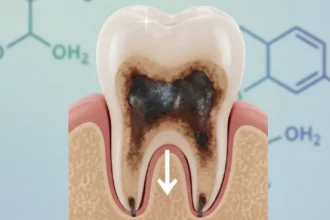
When you eat sugary foods or refined carbs, the bacteria in dental plaque convert them into acids. These acids attack your enamel — and repeated attacks lead to cavities (tooth decay).
High-risk foods include:
- Candy, sweets, and desserts
- Soda and sweetened iced tea
- Energy and sports drinks
- Cookies, cakes, and pastries
- Sugary cereals
- Sticky snacks like caramels or fruit snacks
Frequency Matters — Not Just Amount
Eating sugary foods often throughout the day means your teeth are under constant acid attack. That’s why snacking all day is worse than eating one sweet treat with a meal.
A healthier strategy?
👉 Limit snacking
👉 Rinse with water after sugary foods
👉 Brush twice daily with fluoride toothpaste
The Best Foods for Strong Teeth and Gums
To keep your mouth healthy, focus on foods that support enamel, reduce inflammation, and boost saliva.
Calcium-Rich Foods Strengthen Teeth
Calcium helps rebuild and protect enamel.
Great sources include:
- Milk
- Cheese
- Yogurt
- Fortified plant-based milk
- Leafy greens
Cheese is especially helpful — it neutralizes acids and increases saliva flow.
Vitamin D Helps Your Body Use Calcium
Without Vitamin D, calcium can’t do its job.
Sources include:
- Sunshine
- Fatty fish
- Eggs
- Fortified milk
Many people are low in Vitamin D — so ask your doctor if a test or supplement is helpful.
Vitamin A Keeps Your Mouth Moist and Healthy
Vitamin A supports healing and saliva production.
You’ll find it in:
- Carrots
- Sweet potatoes
- Spinach
- Kale
Vitamin C Protects Your Gums
Vitamin C helps prevent bleeding gums and gum disease.
Foods rich in Vitamin C include:
- Citrus fruits
- Berries
- Tomatoes
- Peppers
- Broccoli
Be mindful: citrus is acidic — rinse with water after eating.
Protein Supports Tissue Repair
Protein helps repair gums and mouth tissue.
Healthy protein sources include:
- Fish
- Chicken
- Beans
- Lentils
- Eggs
- Greek yogurt
💧 Water = Your Mouth’s Best Friend
Water helps:
✔ rinse away food
✔ prevent dry mouth
✔ reduce bad breath
✔ keep bacteria under control
Choose fluoridated water when possible — it strengthens enamel from the inside out.
Drinks and Oral Health: Best and Worst Choices
Some drinks protect your teeth — others erode enamel or feed plaque bacteria.
✔ Best Drinks for Oral Health
- Water
- Milk
- Unsweetened herbal tea
These hydrate without feeding harmful bacteria.
Drinks That Harm Your Teeth
Avoid or reduce:
- Soda (even diet soda — it’s acidic)
- Fruit juice
- Sweet tea
- Energy drinks
- Flavored coffee with syrups
If you do drink them:
👉 Use a straw
👉 Avoid sipping all day
👉 Rinse with water afterward
Acidic Foods and Tooth Erosion
Acid doesn’t just come from sugar — some foods are naturally acidic.
Examples include:
- Citrus
- Vinegar
- Tomatoes
- Carbonated drinks
Too much acid can cause tooth erosion, making teeth more sensitive and weak.
Tip:
Wait 30 minutes after acidic foods before brushing so you don’t scrub softened enamel.
Nutrition Affects Your Oral Health and Gum Health
Your gums need nutrients just like the rest of your body.
Poor nutrition can lead to:
- Bleeding gums
- Gum inflammation
- Slow healing
- Higher infection risk
Balanced meals with fiber, healthy fats, protein, and vitamins help keep gums strong and resilient.
Fiber-rich foods — such as apples, carrots, and leafy greens — also stimulate saliva flow, helping naturally clean your teeth.
Dry Mouth and Diet
Dry mouth (xerostomia) increases cavity risk because saliva protects teeth.
Common causes include:
- Dehydration
- Medications
- High-sugar diets
- Smoking
- Diabetes
To help:
✔ Drink water regularly
✔ Avoid candy and soda
✔ Chew sugar-free gum
✔ Choose alcohol-free mouthwash
If dry mouth persists, see your dentist.
Nutrition Affects Your Oral Health & Oral Health for Kids
Children’s teeth are still developing — so nutrition plays a big role.
Helpful habits:
- Limit sugary drinks
- Offer tooth-friendly snacks like cheese, yogurt, nuts, and veggies
- Never send kids to bed with milk or juice
- Encourage water between meals
Fluoride toothpaste and regular dental visits also matter.
Seniors and Oral Health Nutrition
Older adults may struggle with:
- Dry mouth
- Difficulty chewing
- Poor appetite
- Medication side-effects
Soft but nutritious foods like yogurt, soup, eggs, and smoothies help maintain oral and overall health.
Common Myths About Diet and Teeth
“Fruit sugar is safer than added sugar.”
Not always — all sugars feed plaque bacteria.
“Diet soda doesn’t harm teeth.”
It’s still highly acidic and can erode enamel.
“Only candy causes cavities.”
Crackers, chips, and bread also break down into sugars.
Simple Daily Tips for a Healthier Smile
Here’s how to use what you’ve learned:
✔ Eat balanced meals rich in vitamins and minerals
✔ Drink plenty of water
✔ Limit frequent snacking
✔ Reduce sugary and acidic drinks
✔ Brush twice daily with fluoride toothpaste
✔ Floss once a day
✔ Visit your dentist every 6 months
Final Thoughts: Your Diet and Your Smile Are Connected
Understanding how nutrition affects your oral health helps you make smarter choices — not just for your teeth, but for your whole body. A balanced diet, smart drink choices, and consistent oral-care habits can lower your risk of cavities, protect your gums, and keep your smile bright for life.Small changes today lead to lasting oral-health benefits tomorrow.