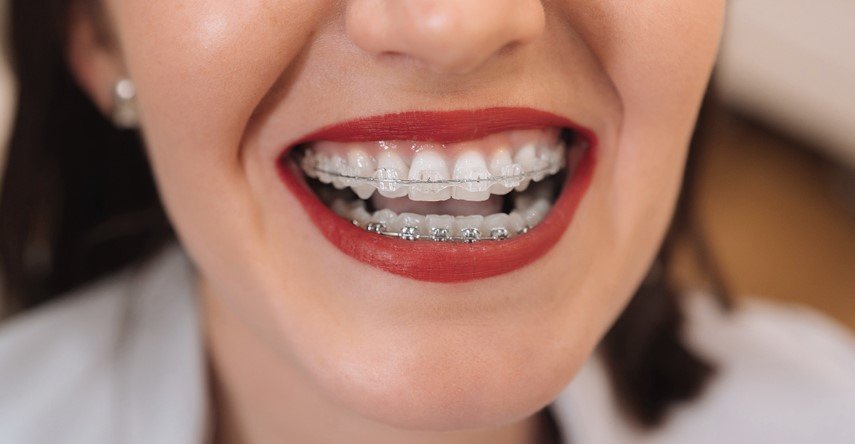
Yes—braces can cause gum recession in certain situations. Orthodontic treatment involves applying pressure to teeth and the supporting bone, and that constant controlled pressure can trigger inflammation, bone remodeling, and gumline changes in people with thin gum tissue, existing gum disease, or poor plaque control. The goal is not to fear braces. The goal is to protect gums and bone while teeth move. (October 7, 2022)
Table of Contents
Braces and Gum Recession: What You Need to Know
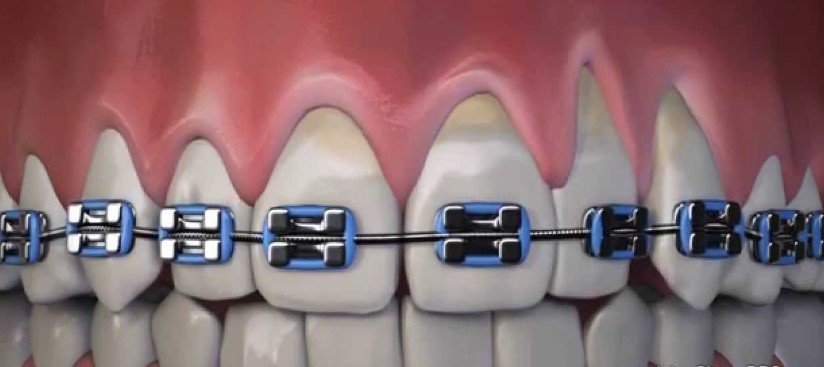
Braces straighten teeth by guiding orthodontic movement over time. That movement happens inside bone. When the tooth position changes, the gum tissue and supporting bone adapt too.
That is why braces and gums need active monitoring. Brackets and archwires can trap plaque and tartar, and that can raise gum inflammation risk. Gum inflammation can speed up gum recession, especially when periodontal disease (PD) was already present but undiagnosed.
What Is Gum Recession?
Gum recession is when gum tissue pulls back and the gumline sits lower on a tooth, exposing more enamel and sometimes the root of teeth. Exposed roots can lead to:
- Tooth sensitivity (hot, cold, brushing)
- A higher risk of root decay
- A “longer teeth” look
- Bad breath when plaque stays near the gumline
- Greater risk of gum disease and bone loss over time
Gums pulling away can be localized (one tooth) or generalized (several teeth). Gum biotype matters too. A thin biotype has less attached gingiva width and can be more vulnerable to recession.
Can Braces Cause Gum Recession?
Yes, braces cause gum recession in some patients. The most common pathway is a mix of orthodontic movement, plaque-driven inflammation, and limited gum or bone thickness in certain areas.
Braces can cause gum recession when:
- Gum tissue is thin or already inflamed
- Teeth are moved outside the bony housing (Braces Root Exposure Risk)
- Oral hygiene slips and plaque buildup triggers gingivitis and periodontitis
- Overbrushing happens because you are trying to clean around brackets
- Orthodontic force direction pushes a tooth toward a thin gum area
Most recession during braces is mild and manageable when caught early. The bigger risk is recession that continues while treatment continues without adjusting hygiene, force, or periodontal care.
Common Orthodontic Complications We See
Gum Recession From Tooth Movement
Tooth movement changes where the gum margin sits. If a tooth is moved toward the lip side where bone is thin, alveolar bone remodeling can leave less support over the root surface. That can lead to Orthodontic Gumline Displacement, gingival margin attrition, and visible root exposure.
This is more likely around lower front teeth, canines, and teeth that already had a thin gumline. The issue is not “braces are bad.” The issue is force induced recession in the wrong tissue/bone conditions, plus plaque irritation.
Bone Loss in Patients With Undiagnosed Gum Disease
Undiagnosed periodontitis can stay quiet until orthodontic work starts. If gum disease is active, orthodontic treatment can accelerate breakdown because bacteria and inflammation are already attacking the supporting bone.
In those cases, the complication is not just gum recession. It can be:
- Bone loss around teeth
- Gum pockets that deepen
- Tooth mobility
- A worse gum recession timeline during active orthodontic movement
A periodontist can measure pocket depths, check bleeding, and confirm whether gingivitis or periodontitis is present before orthodontic treatment begins.
Warning Signs Something Isn’t Right
Look for these warning signs during braces:
- Gums pulling away or a lower gumline on one tooth
- Teeth look longer than they did a few months ago
- New tooth sensitivity near the gumline
- Bleeding when brushing or flossing
- Swollen gumline around brackets or wires
- Bad breath that does not improve with daily oral care
- Dark triangles between teeth as gums shrink
- Visible root of teeth or a notch near the gumline
- Receding gums braces symptoms that keep worsening month to month
Take action early. Waiting often turns a small gum issue into a bigger periodontal procedure.
How to Prevent Gum Recession While Wearing Braces
You can lower risk with daily habits that control plaque without damaging gum tissue.
- Brush gently twice daily with a soft toothbrush or electric toothbrush. An electric toothbrush with a pressure sensor helps prevent overbrushing.
- Use fluoride toothpaste to protect enamel and exposed root surfaces.
- Clean around brackets and the gumline using interdental brushes, floss threaders, or a water flosser, based on what your dentist recommends.
- Control gum inflammation early with professional cleanings and fast response to bleeding gums.
- Avoid aggressive scrubbing along the gumline. Overbrushing recession is real, and braces sometimes make people scrub harder.
- Keep regular orthodontist visits so force levels and movement speed stay appropriate.
How to Prevent Orthodontic Complications
Get a Gum Health Check First
Get a periodontal screening before braces or clear aligners. A gum health check should include:
- Gum measurements (pocket depths)
- Bleeding points
- X-rays to look at supporting bone levels
- A review of genetics and family history of gum recession
- A plan for thin gum areas (attached gingiva width)
This is where a dentist and periodontist can coordinate with orthodontists so orthodontics and periodontal health move together.
Don’t Skip Cleanings
Braces make plaque control harder. Skipping cleanings raises tartar buildup, gingivitis, and periodontal disease risk.
If your gums bleed easily, ask whether you need more frequent maintenance. Some patients need periodontal maintenance or therapy during treatment.
Monitor Thin Gum Areas
Thin gum areas can recede faster with orthodontic movement. Monitoring should focus on:
- Lower front teeth
- Canines
- Any tooth that already had gumline recession before braces
- Areas where brushing causes sensitivity
Photos at home help. Take a clear picture of the gumline monthly so changes are easier to spot.
Keep Communication Open
Tell your orthodontist and dentist when you notice changes. Share details, not vague concerns:
- Which tooth looks longer
- When sensitivity started
- Whether gums bleed when brushing
- Whether a bracket is irritating gum tissue
Fast adjustments can prevent Braces-Induced Tissue Loss from progressing.
What to Do If You Notice Gum Recession During Braces
Do this first: book an exam with a dentist or periodontist. The goal is to confirm why the gumline is changing.
Typical next steps may include:
- A hygiene review to reduce plaque and gum inflammation
- A change in brushing technique and toothbrush type
- Periodontal charting and imaging to check bone levels
- Adjusting orthodontic force direction or speed
- Professional deep cleaning when needed, such as scaling and root planing (SRP) if periodontal disease is present
- Targeted treatment for gum disease to stabilize bone support
Can These Problems Be Reversed?
Gum tissue usually does not grow back on its own after recession. You can often stop progression and reduce symptoms. For visible root exposure or worsening recession, procedures like gingival grafting or gum grafting also improve coverage and protection.
Bone loss can sometimes be stabilized, and infection control can prevent further loss. Regeneration depends on the defect type, severity, and health factors.
Can Gum Recession from Braces Be Reversed?
No—gum recession from braces is not fully reversible because receded gum tissue does not naturally regenerate to its original height. What can be reversed is the inflammation and the active disease process that is driving recession.
What can still improve:
- Gum inflammation and bleeding
- Tooth sensitivity from exposed roots
- Appearance and protection with gum grafting or pinhole-style procedures (when appropriate)
- Long-term stability when orthodontic movement is adjusted and plaque stays controlled
How Can I Treat Gum Recession?
Treatment depends on the cause, severity, and whether periodontal disease is present.
Common treatment options include:
- Oral hygiene correction (gentle technique, soft brush, electric toothbrush, fluoride toothpaste)
- Desensitizing care for exposed roots and sensitivity
- Scaling and root planing (SRP) for bacterial buildup under the gumline
- Laser Treatment for Gum Disease, such as Laser Assisted Periodontal Therapy (LANAP), for certain gum disease cases when clinically appropriate
- Gum/gingival grafting (connective tissue graft or other grafting options) to add gum thickness and cover root exposure
- Bite and grinding management if clenching contributes to gumline stress and inflammation
Your dentist may monitor mild recession without surgery if the gumline is stable and pockets are healthy.
Book a Periodontal Screening in Fort Lauderdale, FL
If you are in Fort Lauderdale, FL and worried that braces cause recession, a periodontal screening can give you a clear plan. McCawley’s office approach focuses on protecting gums, teeth, and supporting bone during orthodontic treatment—especially for patients with thin gum tissue, gum issues, or signs of periodontal disease.
Frequently Asked Questions
Can gums recede while getting braces?
Yes, gums can recede while getting braces. Gum recession is more likely when plaque triggers gum inflammation, when tooth movement pushes teeth toward thin bone, or when gum tissue is naturally thin.
What is gum recession?
Gum recession is when gum tissue pulls back and exposes more of the tooth or the root of teeth. Gum recession can lead to sensitivity, root decay, bad breath, and higher gum disease risk.
How do braces cause gum recession?
Braces cause gum recession through a combination of orthodontic movement and tissue response. Orthodontic treatment involves applying pressure to teeth using constant controlled pressure. That pressure can change supporting bone, and recession can happen when bone coverage is thin, inflammation is present, or brushing becomes too aggressive around brackets.
How can I treat gum recession?
Gum recession treatment includes stabilizing inflammation, improving oral hygiene, and treating gum disease when present. Options include scaling and root planing (SRP), Laser Treatment for Gum Disease (when appropriate), and gum grafting or gingival grafting to protect exposed roots.
How can I prevent gum recession while wearing braces?
Prevent gum recession with gentle brushing, daily plaque control, fluoride toothpaste, and regular cleanings. Use a soft toothbrush or electric toothbrush, avoid overbrushing, and report gumline changes early.
Is gum recession from braces permanent?
Yes, gum recession is permanent in the sense that gum tissue does not naturally grow back to its original level. Gum recession can be stabilized, and appearance and protection can improve with periodontal procedures like gum grafting.
Can braces fix receding gums?
No, braces do not fix receding gums. Braces align teeth. Gum recession needs periodontal evaluation and treatment, especially when exposed roots, bone loss, or periodontal disease is involved.
What are the signs of gum recession during orthodontic treatment?
Signs include gums pulling away, longer-looking teeth, exposed roots, tooth sensitivity, gum inflammation, bleeding when brushing, and persistent bad breath. New gumline recession around brackets should be evaluated.
Laser Treatment for Gum Disease: A Better Option for Anxious Patients
Laser Treatment for Gum Disease can reduce bacterial load and inflammation with less cutting and stitching in certain cases. LANAP is one laser-based approach used for gum disease treatment planning when a periodontist determines it fits the diagnosis and pocket depths.
Treatment for Sensitive Teeth Caused by Receding Gums
Sensitivity often comes from exposed roots and thinner protective layers than enamel. Treatment options include fluoride toothpaste, professional varnish, desensitizing agents, and addressing brushing technique. Stable gums matter as much as symptom relief.
Saving a Failing Dental Implant: How LAPIP Treats Infection and Bone Loss
Implant infections can cause bone loss around the implant. Laser Assisted Peri-Implantitis Procedure (LAPIP) is one treatment approach some practices use to address peri-implant infection and support bone stability, based on a case-by-case periodontal evaluation.
The True Cost of Pinhole Surgery vs. Traditional Gum Grafting
Pinhole-style approaches and traditional grafting differ in technique, candidacy, predictability, and pricing. Traditional gum grafting also remains a common choice when more gum thickness is needed or when recession is severe.
Receding Gums: Which Dental Specialist Do You Need?
Start with a dentist for evaluation and referral. See a periodontist when gum recession is progressing, pockets are present, bone loss is suspected, or gum grafting is being considered. Orthodontists handle tooth movement. Periodontists handle gum tissue and supporting bone health.
Can Sleep Apnea and Grinding Cause Gum Recession?
Yes. Grinding can increase stress on teeth and supporting tissues, and it can worsen inflammation when gums are already irritated. Sleep apnea is also linked with inflammation and dry mouth in some patients, which can worsen plaque control and gum issues. A dental team can coordinate a night guard and periodontal monitoring during orthodontic treatment.
Aftercare & Maintenance for Dental Implants
Healthy gums and stable bone support implants long-term. Aftercare usually includes consistent oral hygiene, regular professional maintenance, and early treatment of gum inflammation. If you have a retainer after orthodontic work, keep it clean too. Retainers can hold plaque against the gumline if oral care slips.